


How to choose the right energy storage system for your home?
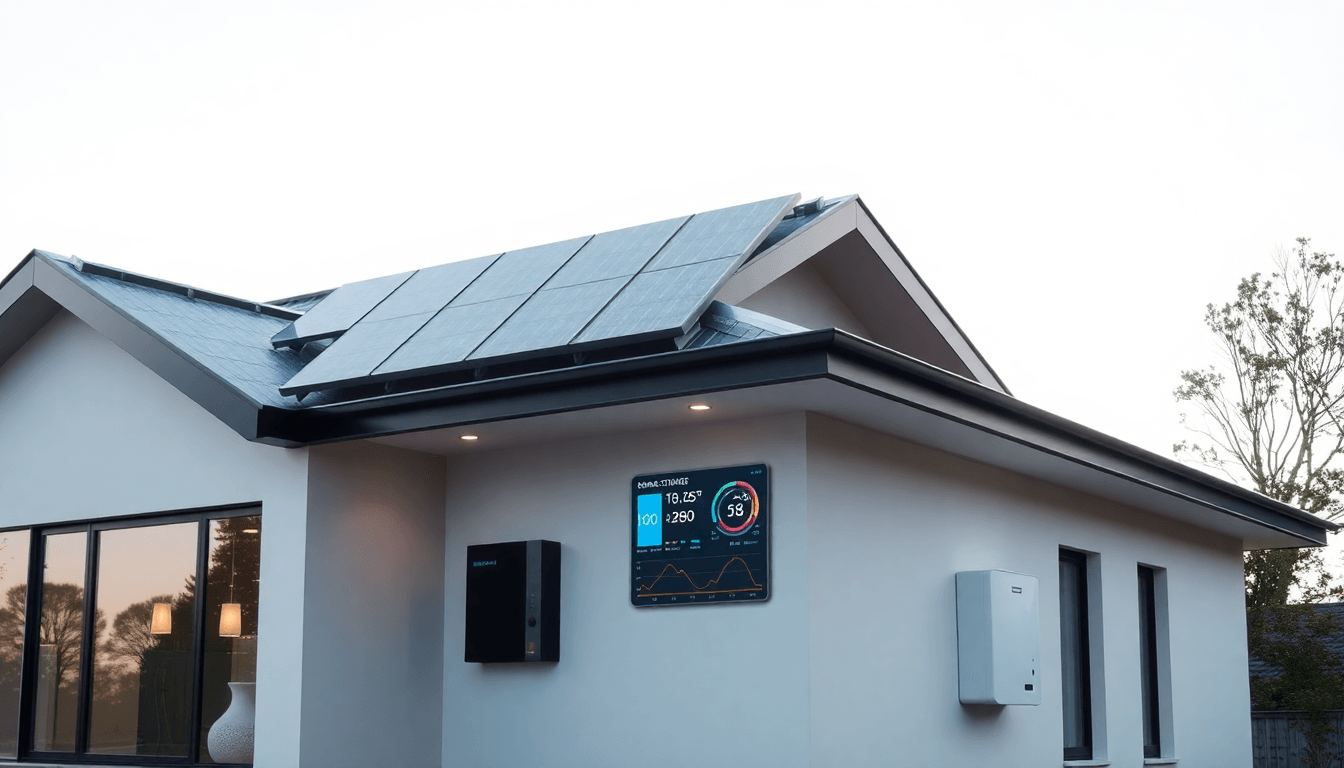
With the ongoing energy transition, more and more homeowners are looking to equip their homes with energy storage systems. Whether it's to reduce their electricity bill, become more self-sufficient, or protect themselves against power outages, home backup batteries are attracting increasing interest. But how do you choose the right energy storage system? What criteria should be considered? Procharge, an electric vehicle charging station specialist, guides you in finding the best solution for your home.
Why install a backup battery at home?
Before purchasing an energy storage system, it's important to understand the benefits it can offer. Here are the main reasons homeowners opt for a backup battery:
Reduce your electricity bill
Storage batteries allow you to consume less electricity from the grid by using stored energy during off-peak hours. This results in a significant reduction in electricity bills, especially for households that have adopted energy-intensive equipment such as a heat pump or power-hungry electrical appliances.
Become more autonomous
Thanks to a backup battery, you can partially free yourself from the electricity grid and become more autonomous. You will then be able to continue powering your home in the event of a power outage, without depending on the electricity provider.
Protect against outages
Storage batteries offer a backup solution in the event of a power outage. They can maintain your home's electrical supply for several hours, or even several days, depending on the battery's capacity.
Enhance a solar installation
If you already have photovoltaic panels, a storage battery will allow you to better leverage your solar electricity production. You can store the energy produced during the day to use it in the evening or during periods of high consumption.
What are the different types of backup batteries?
There are several energy storage battery technologies for individuals. The most common are:
Lithium-ion batteries
This is currently the most widely used technology for home backup batteries. Lightweight, compact, and efficient, lithium-ion batteries offer good energy density and a decent lifespan. They are notably used in Tesla's Powerwall models or Sonnen batteries.
Lead-acid batteries
Cheaper than lithium-ion batteries, lead-acid batteries are also an interesting solution for home energy storage. However, they are bulkier and heavier. Their lifespan is also more limited.
Sodium-ion batteries
Newer, sodium-ion batteries are an interesting alternative to lithium-ion batteries. They are notably cheaper and more environmentally friendly. However, their performance is still slightly below that of lithium-ion batteries.
Flow batteries
Flow batteries represent a cutting-edge technology for energy storage. They offer a large storage capacity and a very long lifespan. But their cost is still high for domestic use.
What criteria should be considered for a good choice?
When you want to equip your home with a backup battery, several elements need to be considered to make the right choice:
Storage capacity
This is one of the most important criteria. Storage capacity, expressed in kWh, determines the autonomy of your system in the event of a power outage. The higher the capacity, the longer you can power your home.
Charge and discharge power
Power, expressed in kW, indicates the speed at which the battery can charge or discharge. High power will allow you to power your energy-intensive appliances more easily.
Lifespan
All storage systems have a limited lifespan, measured in charge/discharge cycles. You should therefore choose a battery that will last over time, ideally ten years or more.
Energy efficiency
Efficiency indicates the percentage of stored energy that can be recovered. The higher the efficiency, the more effective and economical your system will be.
Installation cost
In addition to the purchase price of the battery, you also need to consider installation costs, which can vary depending on the complexity of the intervention.
Compatibility with your installation
Ensure that the backup battery you choose is compatible with your electrical installation and your other equipment (solar panels, inverter, etc.).
How to properly size your storage system?
Once you have identified the most important criteria for you, you need to determine the right battery size to install. To do this, you need to estimate your electricity needs:
Assess your electricity consumption
Start by analyzing your average electricity consumption over a year. You can refer to your bills for a precise idea. This will allow you to correctly size your battery.
Identify your priority uses
In the event of a power outage, you will probably have to make choices about which appliances to power first (refrigerator, lighting, etc.). Make a list of these essential uses to size your battery accordingly.
Consider your energy-intensive equipment
If you have appliances that consume a lot of electricity, such as a heat pump or an electric vehicle, you will need to take this into account to choose a sufficiently powerful battery.
Consider future expansion
Depending on your projects, you can also plan to increase the capacity of your storage system in the future. Therefore, choose a modular battery that can be expanded if necessary.
Once you have accurately assessed your needs, you can choose the most suitable battery model. Do not hesitate to seek advice from experts like those at Procharge to find the best solution for your home.
Conclusion
With the energy transition, home backup batteries are becoming essential equipment for many homeowners. They allow you to reduce your electricity bill, become more autonomous, and protect against power outages. But to choose the right energy storage system, several essential criteria must be considered, such as storage capacity, power, and lifespan. Proper sizing is also crucial to perfectly meet your needs. By consulting experts like Procharge, you will be sure to find the best backup battery solution for your home.